Heart Healthy
 Low Sodium
Korean for “mixed rice,” bibimbap includes rice topped with just about anything that’s cooked and seasoned. Our version includes several vegetables and a bit of beef, all mixed with Asian flavors, then topped with a sunny-side up egg.
Video en español (se abre en una nueva pestaña)(link opens in new window)
Print Recipe
Bibimbap
Korean for “mixed rice,” bibimbap includes rice topped with just about anything that’s cooked and seasoned. Our version includes several vegetables and a bit of beef, all mixed with Asian flavors, then topped with a sunny-side up egg.
Video en español (se abre en una nueva pestaña)(link opens in new window)
-
Prep Time
25 min
-
Cook Time
50 min
-
Total Time
1 hr 15 min
-
Servings
4
-
Serving Size:
1 cup
Ingredients
-
1 cup uncooked, instant brown rice
Sauce
-
2 tablespoons gochujang (lowest sodium available) -
2 teaspoons brown sugar -
1 1/2 teaspoons water -
1 1/2 teaspoons dry-roasted sesame seeds -
1 teaspoon unseasoned rice vinegar -
1 teaspoon minced garlic
*****************
-
3 teaspoons toasted sesame oil, divided use -
1 cup fresh or canned mung bean sprouts (drain and rinse if canned) -
4 cups loosely packed spinach (stems discarded) -
8 ounces extra-lean ground beef -
1 teaspoon soy sauce (lowest sodium available) -
1/2 teaspoon brown sugar -
1 cup thinly sliced mushrooms -
2 garlic cloves, minced -
2 large carrots, thinly sliced crosswise -
1 tablespoon grated, peeled ginger -
2 medium green onions (green part only), thinly sliced on the diagonal -
2 teaspoons dry-roasted sesame seeds -
Cooking spray -
4 large eggs
Directions
 Tip: Click on step to mark as complete.
-
Prepare the rice using the package directions, omitting the salt and margarine. Transfer the rice to bowls. -
In a small bowl, whisk together the sauce ingredients. Set aside. -
In a medium nonstick skillet, heat 1 teaspoon oil over medium heat, swirling to coat the bottom. Cook the mung bean sprouts for 3 to 5 minutes. Add the spinach. Cook for 1 minute, or until wilted. Place in a pile at the edge of each bowl of rice. -
In the same skillet, cook the beef over medium-high heat for 8 to 10 minutes, or until browned on the outside and no longer pink in the center, stirring occasionally to turn and break up the beef. Stir in the soy sauce and brown sugar. Cook for 2 minutes, or until the sugar is dissolved, stirring frequently. Place in a separate at the edge of the bowls. -
In the same skillet, heat 1 teaspoon oil over medium heat, swirling to coat the bottom. Cook the mushrooms for 5 minutes, or until tender, stirring frequently. Stir in the garlic. Cook for 1 minute, stirring frequently. Place in a separate pile at the edge of the bowls. -
In the same skillet, still over medium heat, heat the final 1 teaspoon oil, swirling to coat the bottom. Cook the carrot for 8 minutes, or until tender, stirring frequently. Add the gingerroot. Cook for 1 minute, stirring frequently. Place in a separate pile at the edge of the bowls. -
Lightly spray a large skillet with cooking spray. Heat the pan over medium heat for 2 to 3 minutes, or until hot. Crack the eggs into the skillet. Cook for 2 minutes, or until the whites are slightly set. Cook, covered, for 1 minute, or until the whites are completely set (opaque) and the yolks are warmed but still runny. Using a thin spatula, carefully place one egg in the center of each bowl. -
Sprinkle with the green onions and sesame seeds. -
Spoon the sauce over all.
Nutrition Facts
 Calories
 Protein
 Fiber
FiberNutrition Facts
| Calories | 357 | |
|---|---|---|
| Total Fat | 14.0 g | |
| Saturated Fat | 3.5 g | |
| Trans Fat | 0.0 g | |
| Polyunsaturated Fat | 3.5 g | |
| Monounsaturated Fat | 5.0 g | |
| Cholesterol | 217 mg | |
| Sodium | 376 mg | |
| Total Carbohydrate | 36 g | |
| Dietary Fiber | 4 g | |
| Sugars | 9 g | |
| Added Sugars | 5 g | |
| Protein | 24 g | |
Dietary Exchanges
2 starch, 1 vegetable, 3 lean meat, 1 fat
-
Prep Time
25 min
-
Cook Time
50 min
-
Total Time
1 hr 15 min
-
Servings
4
-
Serving Size:
1 cup
Ingredients
-
1 cup uncooked, instant brown rice
Sauce
-
2 tablespoons gochujang (lowest sodium available) -
2 teaspoons brown sugar -
1 1/2 teaspoons water -
1 1/2 teaspoons dry-roasted sesame seeds -
1 teaspoon unseasoned rice vinegar -
1 teaspoon minced garlic
*****************
-
3 teaspoons toasted sesame oil, divided use -
1 cup fresh or canned mung bean sprouts (drain and rinse if canned) -
4 cups loosely packed spinach (stems discarded) -
8 ounces extra-lean ground beef -
1 teaspoon soy sauce (lowest sodium available) -
1/2 teaspoon brown sugar -
1 cup thinly sliced mushrooms -
2 garlic cloves, minced -
2 large carrots, thinly sliced crosswise -
1 tablespoon grated, peeled ginger -
2 medium green onions (green part only), thinly sliced on the diagonal -
2 teaspoons dry-roasted sesame seeds -
Cooking spray -
4 large eggs
Directions
Tip: Click on step to mark as complete.
-
Prepare the rice using the package directions, omitting the salt and margarine. Transfer the rice to bowls. -
In a small bowl, whisk together the sauce ingredients. Set aside. -
In a medium nonstick skillet, heat 1 teaspoon oil over medium heat, swirling to coat the bottom. Cook the mung bean sprouts for 3 to 5 minutes. Add the spinach. Cook for 1 minute, or until wilted. Place in a pile at the edge of each bowl of rice. -
In the same skillet, cook the beef over medium-high heat for 8 to 10 minutes, or until browned on the outside and no longer pink in the center, stirring occasionally to turn and break up the beef. Stir in the soy sauce and brown sugar. Cook for 2 minutes, or until the sugar is dissolved, stirring frequently. Place in a separate at the edge of the bowls. -
In the same skillet, heat 1 teaspoon oil over medium heat, swirling to coat the bottom. Cook the mushrooms for 5 minutes, or until tender, stirring frequently. Stir in the garlic. Cook for 1 minute, stirring frequently. Place in a separate pile at the edge of the bowls. -
In the same skillet, still over medium heat, heat the final 1 teaspoon oil, swirling to coat the bottom. Cook the carrot for 8 minutes, or until tender, stirring frequently. Add the gingerroot. Cook for 1 minute, stirring frequently. Place in a separate pile at the edge of the bowls. -
Lightly spray a large skillet with cooking spray. Heat the pan over medium heat for 2 to 3 minutes, or until hot. Crack the eggs into the skillet. Cook for 2 minutes, or until the whites are slightly set. Cook, covered, for 1 minute, or until the whites are completely set (opaque) and the yolks are warmed but still runny. Using a thin spatula, carefully place one egg in the center of each bowl. -
Sprinkle with the green onions and sesame seeds. -
Spoon the sauce over all.
Featured In : The New American Heart Association Cookbook, Centennial Edition
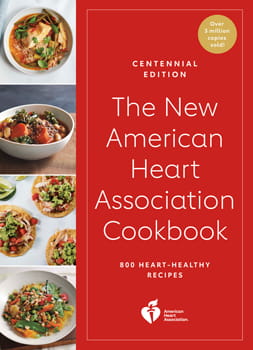
The American Heart Association celebrates its 100th birthday with 100 all-new recipes in this fully revised and updated 10th edition of its classic cornerstone cookbook.
This ultimate resource offers more than 800 recipes to satisfy every palate. The new and revised recipes are based on modern flavor profiles, classic favorites, cultural cuisines, and culinary preferences, such as Mediterranean and vegetarian. Many of the recipes use today’s popular cooking appliances, including the air fryer, slow cooker, and pressure cooker (Instant Pot®).
Where to Buy the Cookbook
Sample Recipes:


American Heart Association recipes are developed or reviewed by nutrition experts and meet specific, science-based dietary guidelines and recipe criteria for a healthy dietary pattern.
Some recipes may be suitable for people who are managing diabetes, high blood pressure, heart disease and/or other conditions or seeking low-sodium, low-fat, low-sugar, low-cholesterol or low-calories recipes. However, this site and its services do not constitute medical advice, diagnosis or treatment. Always talk to your healthcare provider for diagnosis and treatment, including your specific dietary needs. If you have or suspect that you have a medical problem or condition, please contact a qualified healthcare provider.
Copyright is owned or held by the American Association, Inc., except for recipes certified by the Heart-Check recipe certification program or otherwise indicated. All rights are reserved. Permission is granted, at no cost and without need for further request, to link to or share American Heart Association owned recipes provided that no text, ingredients or directions are altered; no substitutions are made; and proper attribution is made to the American Heart Association. See full terms of use.